Teardrop Peperomia: The Perfect Plant for Your Home and Office
If you're looking for a unique, easy-to-care-for plant that will add character to your home or office, the teardrop peperomia might be just what you need. This small, low-maintenance plant has become increasingly popular in recent years due to its charming appearance and versatile nature.
In this article, we'll explore what makes the teardrop peperomia so special and why you should consider adding one to your collection. We'll also provide tips on how to care for this plant and answer some frequently asked questions about it.
What is Teardrop Peperomia?
Teardrop peperomia (Peperomia orba) is a small, semi-succulent plant native to South America. It belongs to the Piperaceae family, which includes other popular houseplants such as the rubber plant and the Chinese money plant. The plant gets its name from the shape of its leaves, which are small, teardrop-shaped, and grow in clusters.
The teardrop peperomia is an evergreen plant, which means it retains its leaves year-round. Its leaves are thick and fleshy, making them ideal for storing water. The plant's stems are also thick and sturdy, allowing it to support its leaves without needing additional structural support.
How to Care for Teardrop Peperomia?
One of the biggest advantages of teardrop peperomia is that it's incredibly easy to care for. Here are some tips to help you keep your plant healthy and happy:
Light
Teardrop peperomia prefers bright, indirect light. Direct sunlight can scorch its leaves, while too little light can cause its growth to slow down. If you notice that your plant's leaves are turning yellow, it may be getting too much sun.
Water
Teardrop peperomia doesn't need much water; in fact, overwatering can cause its roots to rot. Water your plant only when the top inch of soil is dry to the touch. When you do water, make sure you give the plant a thorough soak, allowing the excess water to drain out of the pot.
Soil
Teardrop peperomia prefers well-draining soil that's rich in organic matter. A mix of potting soil, perlite, and peat moss works well for this plant.
Temperature and Humidity
Teardrop peperomia prefers warm temperatures between 65-80°F (18-27°C). It also prefers higher humidity levels, but it can tolerate lower humidity if necessary.
Fertilizer
You don't need to fertilize teardrop peperomia often. A balanced liquid fertilizer once every two months during the growing season (spring and summer) should be sufficient.
Benefits of Teardrop Peperomia
There are several benefits to having a teardrop peperomia in your home or office. Here are just a few:
Air Purification
Like many other houseplants, teardrop peperomia can help purify the air in your space by removing toxins such as formaldehyde and benzene.
Low-Maintenance
As we mentioned earlier, teardrop peperomia is incredibly easy to care for. It doesn't require a lot of attention or fuss, making it an ideal plant for busy people or those who are new to gardening.
Versatility
Teardrop peperomia is a versatile plant that can thrive in a wide range of environments. Whether you have a sunny windowsill or a dimly lit corner, this plant can adapt to your space.
Aesthetics
Finally, teardrop peperomia is just plain cute. Its small size and unique shape make it a charming addition to any room.
Common Problems with Teardrop Peperomia
While teardrop peperomia is generally a low-maintenance plant, it can still experience some issues from time to time. Here are a few common problems you may encounter:
Pests
Teardrop peperomia is susceptible to pests such as spider mites and mealybugs. To prevent these pests from taking over your plant, inspect it regularly and treat any infestations promptly.
Root Rot
Overwatering can cause the roots of your teardrop peperomia to rot, which can be fatal if left untreated. To prevent root rot, make sure you're not watering your plant too frequently and that its pot has good drainage.
Yellow Leaves
Yellow leaves on your teardrop peperomia can be a sign of several issues, including overwatering, underwatering, or too much sun exposure. If you notice yellow leaves on your plant, try adjusting its water or light levels and see if that helps.
Frequently Asked Questions about Teardrop Peperomia
Here are some common questions people have about teardrop peperomia:
1. Is teardrop peperomia toxic to pets?
No, teardrop peperomia is non-toxic to pets.
2. Can I propagate my teardrop peperomia?
Yes, teardrop peperomia can be propagated through stem cuttings.
3. How often should I water my teardrop peperomia?
Water your teardrop peperomia only when the top inch of soil is dry to the touch.
4. Can teardrop peperomia grow in low light?
While teardrop peperomia prefers bright, indirect light, it can tolerate lower light levels if necessary.
5. How big does a teardrop peperomia get?
Teardrop peperomia typically grows to be around six inches tall and three inches wide.
6. Can I plant my teardrop peperomia outside?
No, teardrop peperomia is an indoor plant and should not be planted outside.
7. How do I know if my teardrop peperomia needs fertilizer?
If your teardrop peperomia's growth slows down or its leaves to look pale, it may be time to fertilize.
8. What kind of potting soil should I use for my teardrop peperomia?
Teardrop peperomia prefers well-draining soil that's rich in organic matter. A mix of potting soil, perlite, and peat moss works well for this plant.
9. Can I prune my teardrop peperomia?
Yes, you can prune your teardrop peperomia to control its size or shape.
10. How often should I repot my teardrop peperomia?
Teardrop peperomia doesn't need to be repotted often; every two years or so should be sufficient.
Teardrop peperomia is a charming, low-maintenance plant that's perfect for adding character to your home or office. With its unique shape and easy-to-care-for nature, it's no wonder why this plant has become so popular in recent years. If you're looking for a new plant to add to your collection, consider giving teardrop peperomia a try.
13 Teardrop peperomia Images
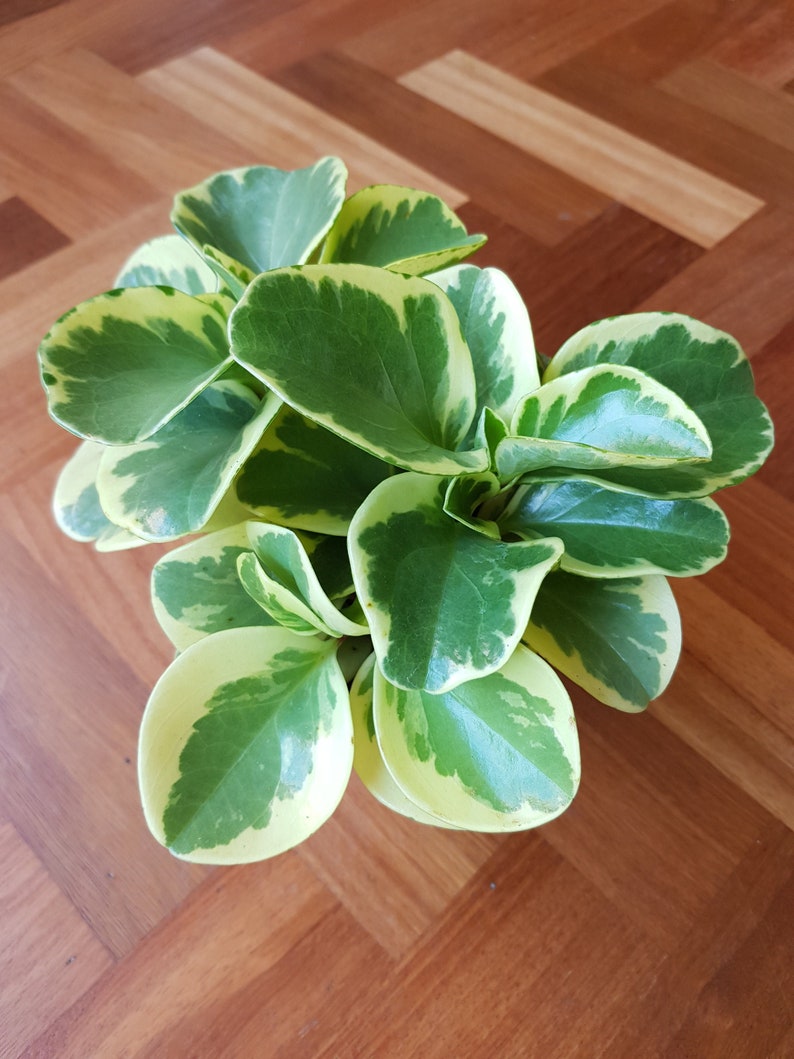
Peperomia Obtusifolia Variegata Crocodile Tears Live Plant

Peperomia Raindrop Peperomia Raindrop Planting Flowers Peperomia

Peperomia Graveolens Ruby Glow Radiator Plant Plants Peperomia

Peperomia Magnoliifolia Spoonleaf Peperomia Peperomia Plants

Peperomia Caperata Raspberry Ripple Close Up 2010 TGE House Plant

Peperomia Plant Care Page

113 Best Images About Peperomia On Pinterest Vivarium Golden Girls

This Is Peperomia Rotundifolia AKA Prostrata Peperomias Pinterest

Pin On Personal Houseplant Inventory

113 Best Images About Peperomia On Pinterest Vivarium Golden Girls

Pin On House Plants

Pin By Nubia Rogers On Plants Hanging Plants Peperomia Plants

Peperomia Pixie Care Growing The Teardrop Peperomia In 2021
Posting Komentar untuk "Teardrop Peperomia: The Perfect Plant for Your Home and Office"